
As the leaves begin to change color and temperatures drop across Valley Stream, homeowners should turn their attention to an often-overlooked aspect of seasonal maintenance: their home security and locks. Fall presents the perfect opportunity to assess your home's security measures before winter arrives and the holiday season begins. With darker evenings coming earlier and increased travel plans on the horizon, ensuring your locks and security systems are in top condition becomes more critical than ever. This comprehensive fall locksmith checklist will help Valley Stream residents protect their homes and families during the autumn months and beyond.
Inspect All Entry Point Locks
The foundation of home security starts with properly functioning locks on all entry points. As temperatures fluctuate during fall, the expansion and contraction of door frames can affect lock performance. Begin your fall security assessment by thoroughly examining every lock in your home.
Start with your front door, which serves as the primary entry point and often receives the most use. Check whether the key turns smoothly or if you notice any resistance. A sticky or difficult-to-turn lock might indicate internal wear or moisture damage that accumulated during summer's humidity. Test the deadbolt to ensure it extends and retracts fully without catching or grinding.
Move systematically through your home, checking:
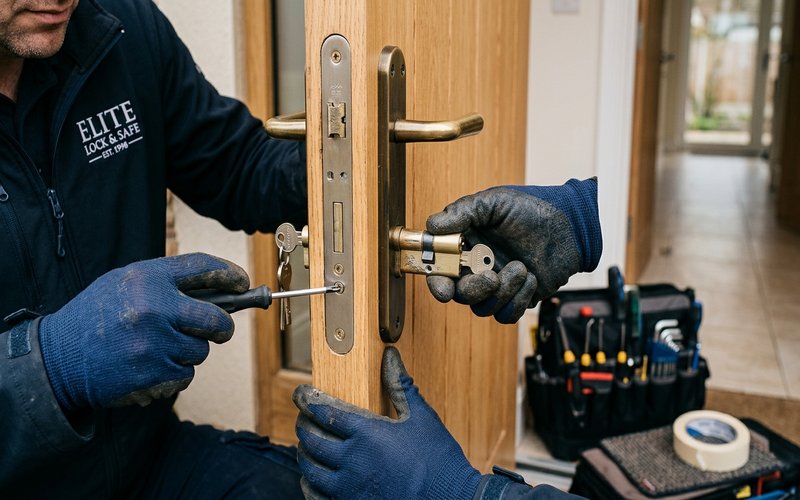
- Back doors and side entrances
- Garage entry doors
- Basement doors and bulkhead entrances
- French doors and sliding glass doors
- Shed and outbuilding locks
- Gate locks and fence access points
If you discover any locks that feel loose, stick, or show visible signs of wear, schedule a professional inspection. Attempting to force a deteriorating lock can cause it to fail completely, potentially leaving you locked out or, worse, unable to secure your home properly.
Upgrade to High-Security Locks
Fall represents an ideal time to invest in security upgrades before the holiday season when package theft and break-ins typically increase in Valley Stream neighborhoods. Modern lock technology has advanced significantly, offering homeowners enhanced protection that older locks simply cannot provide.
Consider upgrading to Grade 1 deadbolts, which meet the highest residential security standards set by the American National Standards Institute (ANSI). These locks feature hardened steel bolts, reinforced strike plates, and pick-resistant cylinders that substantially increase resistance to forced entry attempts.
Smart locks have become increasingly popular among Valley Stream homeowners, offering convenience and enhanced security features. These electronic systems allow you to:
- Lock and unlock doors remotely via smartphone
- Create temporary access codes for service providers or guests
- Receive notifications when doors are unlocked
- Monitor entry and exit activity
- Eliminate the need for physical keys that can be lost or copied
High-security locks also feature restricted keyways, meaning keys cannot be duplicated at standard hardware stores without proper authorization. This prevents unauthorized key copying by former residents, contractors, or others who may have had temporary access to your keys.
Rekey Locks After Summer Rentals or Visitors
If you rented out your property during summer months or had extended guests staying in your home, fall is the critical time to rekey your locks. This security measure ensures that any keys distributed during that period no longer provide access to your home.
Rekeying involves changing the internal pins and springs inside your existing locks so old keys no longer work, while new keys are created for your use. This process is typically more cost-effective than replacing entire lock sets and can be completed quickly by a professional locksmith.
Consider rekeying if:
- You've had contractors or repair workers in your home
- Housekeepers or pet sitters had key access
- You've experienced a roommate change
- Keys were lost or stolen at any point
- You've recently moved into a previously occupied home
- Former tenants or residents had keys
Professional rekeying services can typically handle multiple locks in one appointment, ensuring your entire home is secured with a new key system. Many locksmiths offer master key systems for homeowners who want different keys for different family members while maintaining a master key for emergency access.
Check and Lubricate Lock Mechanisms
Proper lock maintenance extends the life of your security hardware and ensures reliable operation when you need it most. Fall's moderate temperatures provide ideal conditions for lock maintenance before winter's harsh weather arrives.
Locks require periodic lubrication to maintain smooth operation. However, many homeowners make the mistake of using inappropriate lubricants that attract dust and debris, ultimately causing more problems. WD-40, while useful for many applications, is not recommended for lock cylinders because it's a solvent rather than a true lubricant and can gum up over time.
Instead, use graphite powder or a silicone-based lock lubricant specifically designed for this purpose. Apply lubricant sparingly:
1. Insert the nozzle directly into the keyway 2. Apply a small amount of lubricant 3. Insert and remove the key several times to distribute the lubricant 4. Wipe away any excess from the lock face
For deadbolts and other moving mechanisms, check that the bolt extends and retracts smoothly. If you notice resistance, the strike plate might be misaligned due to seasonal door frame movement. A professional locksmith can adjust strike plates to ensure proper alignment without damaging your door or frame.
Door hinges also deserve attention during your fall security check. Squeaky or stiff hinges not only create noise but can stress lock mechanisms as you open and close doors. Apply a few drops of household oil to hinge pins and work the door back and forth to distribute the lubricant.
Assess Door and Frame Integrity
Even the most advanced locks provide limited security if the door or frame is compromised. Fall weather can reveal damage that occurred during summer storms or expose deterioration that happened gradually over time.
Examine door frames carefully for signs of:
- Wood rot or water damage, especially along the bottom edge
- Cracks or splits in the frame that could weaken structural integrity
- Loose or missing weather stripping
- Gaps between the door and frame when closed
- Damaged or corroded strike plates
Consider reinforcing entry doors with:
- Security strike plates with 3-inch screws that anchor into wall studs
- Door reinforcement plates around lock areas
- Hinge bolts or security studs on outward-opening doors
- Door jammers or security bars for sliding doors
Install or Update Outdoor Lighting
As daylight hours decrease throughout fall, outdoor lighting becomes crucial for home security. Well-lit properties deter potential intruders who prefer to operate under cover of darkness. Coordinating your lighting improvements with your lock and security assessment creates a comprehensive security upgrade.
Focus lighting on:
- All entry doors and pathways
- Garage and driveway areas
- Dark corners and side yards
- Basement windows and ground-level access points
- Areas where landscaping creates shadows
Smart lighting systems can be programmed to follow patterns that simulate occupancy when you're away, making your home appear occupied even during extended absences. This technology integrates well with smart lock systems for comprehensive home automation and security.
Remember that lighting also serves a practical purpose for your family. Coming home after dark and fumbling with keys in dim light creates vulnerability. Adequate lighting at entry points ensures you can easily see your locks and quickly enter your home safely.
Create a Master Key Inventory
Fall cleaning and organization extends beyond closets and garages—it's also the perfect time to organize and inventory all keys in your household. Knowing exactly which keys you have, where they're located, and who has copies prevents security gaps and ensures you're prepared for emergencies.
Create a comprehensive list documenting:
- Main entry keys and their locations
- Spare keys and where they're stored
- Keys given to family members, neighbors, or trusted friends
- Vehicle keys and fobs
- Garage door codes or remotes
- Safe combinations or keys
- Storage unit keys
- Mailbox keys
For families with teenage drivers or elderly relatives, ensure multiple people know where spare keys are located in case of emergencies. However, maintain a balance between accessibility and security—not everyone needs access to every key.
Consider implementing a key control system where keys are labeled (without your address) and stored in a secure location. Key tags should use codes rather than addresses or specific location identifiers in case they're lost.
Test Garage Door Security
Garages represent one of the most vulnerable entry points in Valley Stream homes, yet they're often overlooked during security assessments. As you prepare your garage for winter storage and holiday decorations, take time to evaluate its security features.
Test your automatic garage door opener by:
- Checking that the door fully closes and the opener light indicates secure closure
- Ensuring the photo-eye sensors are clean and properly aligned
- Testing the manual release mechanism in case of power failure
- Verifying that the opener's rolling code technology is functioning
- Changing default codes if you haven't already done so
The door between your garage and home deserves the same security attention as exterior doors. Install a quality deadbolt and solid core door to create a security barrier even if someone gains garage access. Many homeowners treat this door casually, leaving it unlocked or using substandard locks because it's "inside" their property.
For detached garages or workshops, ensure locks are high-quality and functioning properly. These structures often contain valuable tools, equipment, and outdoor gear that attract thieves.
Prepare for Winter Lock Challenges
Valley Stream winters can be harsh, and frozen locks represent a frustrating and potentially dangerous situation. Taking preventive measures in fall helps avoid winter lock problems when temperatures drop and moisture creates ice in lock mechanisms.
Protect exterior locks from winter weather by:
- Installing lock covers or guards on exposed deadbolts
- Ensuring weather stripping around doors prevents moisture intrusion
- Applying silicone-based lubricant that won't freeze
- Checking that door overhangs or awnings provide adequate protection
- Clearing debris from locks and keyholes
For homeowners with storm doors, ensure these secondary doors don't create moisture traps around main entry locks. Proper ventilation prevents condensation buildup that can freeze when temperatures drop.
Schedule Professional Security Assessment
While DIY maintenance and inspection provide valuable security improvements, nothing replaces the expertise of a professional locksmith who can identify vulnerabilities you might miss. Fall represents the ideal time to schedule a comprehensive security assessment before holiday travel and winter weather arrive.
Professional locksmiths offer services including:
- Complete home security evaluations
- Lock function testing and adjustment
- Identification of outdated or vulnerable security hardware
- Recommendations for security upgrades based on your specific needs
- Installation of high-security locks and smart lock systems
- Rekeying services for all locks in your home
- Emergency preparedness planning
Many Valley Stream residents wait until after a break-in or lockout emergency to contact a locksmith. Proactive fall maintenance prevents these stressful situations while potentially saving money on emergency service calls.
Update Emergency Contact Information
As you complete your fall security checklist, ensure your family has updated emergency contact information readily available. Lock and security emergencies don't wait for convenient times, and knowing who to call can make a significant difference in stressful situations.
Program your phone with:
- Your trusted locksmith's contact number
- Local police non-emergency line
- Neighbors who have spare keys
- Family members who can provide assistance
- Home security system monitoring company
Discuss emergency procedures with family members, including what to do if they're locked out, if they discover signs of attempted break-in, or if locks malfunction. Children especially need clear instructions about when and how to seek help.
Secure Outdoor Storage and Equipment
As you store summer equipment and prepare outdoor spaces for winter, don't overlook security for items left outside. Grills, lawn equipment, bicycles, and seasonal decorations represent valuable property that deserves protection.
Secure outdoor items by:
- Using heavy-duty locks on sheds and storage units
- Installing ground anchors for securing items like grills or equipment
- Bringing valuable items inside garages or basements when possible
- Using bicycle locks and chains for outdoor equipment
- Ensuring outdoor storage structures have proper locks and hinges
Garden tools and lawn equipment should be secured before winter. These items not only have value themselves but can be used as tools for break-ins. Quality padlocks on sheds and storage areas prevent theft and unauthorized access.
Review Home Insurance and Document Security Measures
Fall is an excellent time to review your homeowner's insurance policy and document the security improvements you've made. Many insurance companies offer discounts for homes with enhanced security features, and your fall upgrades might qualify for reduced premiums.
Document your security measures by:
- Photographing all locks and security hardware
- Keeping receipts for security upgrades
- Recording model numbers of smart locks and security systems
- Creating an inventory of valuable items in your home
- Updating your insurance agent about security improvements
If you've installed smart locks or security systems, ensure you understand how they integrate with your insurance coverage. Some policies offer additional benefits or reduced deductibles when advanced security systems are properly installed and maintained.
Prepare for Holiday Season Security
The period from Thanksgiving through New Year's traditionally sees increased property crimes as criminals take advantage of packages left on doorsteps, homes left unatt